
Do I Need a Hearing Test? Screening Guidelines After 40
Most people don’t think about their hearing until they have to ask
By: admin | January 19, 2026
Most people don’t think about their hearing until they have to ask someone to repeat themselves three times in a row. Unlike other health issues that come with obvious warning signs, hearing loss is sneaky.
It happens so slowly that you adapt without realizing it. You’ve been turning the TV up a notch every few months, positioning yourself closer to whoever’s talking and quietly avoiding phone calls because they’re harder to follow than they used to be.
Regular hearing tests after 40 give you a chance to see what’s actually happening before you’ve built your entire routine around working around it.
When you don’t hear well, your brain works overtime during every conversation, which is why you might feel mentally exhausted after meetings or social events. You miss details at work, misunderstand what your partner said and start second-guessing yourself about whether you heard things correctly.
A hearing test gives you real information so you can decide what makes sense for your situation, whether that means monitoring things, making environmental changes or looking into hearing aids while the adjustment is still relatively easy.
Hearing loss is a common condition that affects millions of people worldwide, often developing so gradually that it goes unnoticed until it significantly impacts daily communication. While the experience is unique to every individual, most cases stem from a handful of well-documented biological and environmental factors.
Understanding the origin of these impairments is the first step toward prevention, as the most frequent causes usually involve damage to the delicate hair cells within the inner ear:
As you get older, your hearing can change in small ways that are easy to overlook. You might notice it is harder to hear higher-pitched sounds or follow conversations in busy places. These changes tend to happen slowly and may not be obvious right away.
Protecting your hearing becomes more important as you age. Using ear protection around loud noises, keeping music at a safe volume and scheduling regular hearing checks are all helpful habits. Paying attention to these details can support better hearing for years to come.
It is easy to miss the early signs of hearing loss because the change usually happens in tiny increments rather than all at once. You might simply feel like the world has become a bit more muffled or that people around you have started mumbling more than they used to.
The best way to tell if you should see an audiologist is to look for these small shifts in your daily habits and interactions:
Addressing hearing changes as soon as they appear is about much more than just turning down the TV. When hearing begins to fade, the brain actually starts to lose its ability to process certain sounds and speech patterns.
If those auditory pathways aren’t kept active through early intervention, the brain can “forget” how to interpret those sounds, making it much harder to successfully use hearing aids or other treatments later on.
Beyond the mechanics of the ear, early detection is a massive win for your mental energy. When you address hearing loss early, you stop the cycle of listening fatigue that comes from straining to follow conversations.
This prevents the common tendency to pull away from social gatherings or hobbies because they have become too much work. Maintaining those social connections is a key factor in long-term cognitive health and emotional well-being.
When hearing loss goes unaddressed, the brain has to reallocate significant resources just to make sense of incoming sound. This constant cognitive load means the brain is working overtime to decode muffled speech, leaving less mental energy for memory and complex thinking.
The emotional toll is often just as heavy as the physical impact. It starts with the frustration of missing a joke or the embarrassment of answering a question incorrectly. These small moments can build into a deep sense of inadequacy or anxiety about social situations.
Many people find themselves withdrawing from friends and family because the effort to follow a conversation is simply too exhausting, leading to a profound sense of isolation and a higher risk of depression.
From a safety perspective, being unable to hear clearly puts you at a distinct disadvantage in your environment. You might miss the subtle sound of a siren, a car approaching from behind or a smoke alarm in a distant room.
Beyond external sounds, untreated hearing loss is closely linked to an increased risk of falls. Because the inner ear plays such a vital role in both hearing and balance, an impaired auditory system can compromise your spatial awareness and stability.
Hearing health monitoring begins the moment we are born. Most hospitals perform a newborn hearing screening before an infant even leaves the hospital, which is a critical step for identifying congenital issues that could interfere with speech and language development.
Following that, children typically undergo regular screenings during pediatric well-checks and at key intervals throughout their school years, often in kindergarten and again in elementary, middle and high school.
These milestones ensure that any hearing changes caused by infections or loud hobbies are caught before they affect a child’s ability to learn and socialize.
As you move into early adulthood, the frequency of testing often drops off, but it should not disappear entirely. If you have healthy hearing, getting a baseline exam once in your 20s and again in your 30s is a smart way to document your “normal” range.
Once you hit age 50, the schedule should become more regular. At this stage, a professional hearing exam every three years is the standard recommendation to monitor for the early stages of age-related decline.
After age 60, transitioning to a checkup every year or two is ideal. Because the brain is so good at compensating for muffled sound, you might not realize your hearing has dipped until it has already reached a level that requires intervention.
Regardless of these general milestones, certain “red flag” moments require an immediate appointment regardless of when your last test was. Sudden hearing loss in one ear, persistent ringing or a feeling of “fullness” after a loud event or illness should be treated as a medical priority. Addressing these issues within 24 to 48 hours can often make the difference between a temporary muffled sensation and permanent damage.
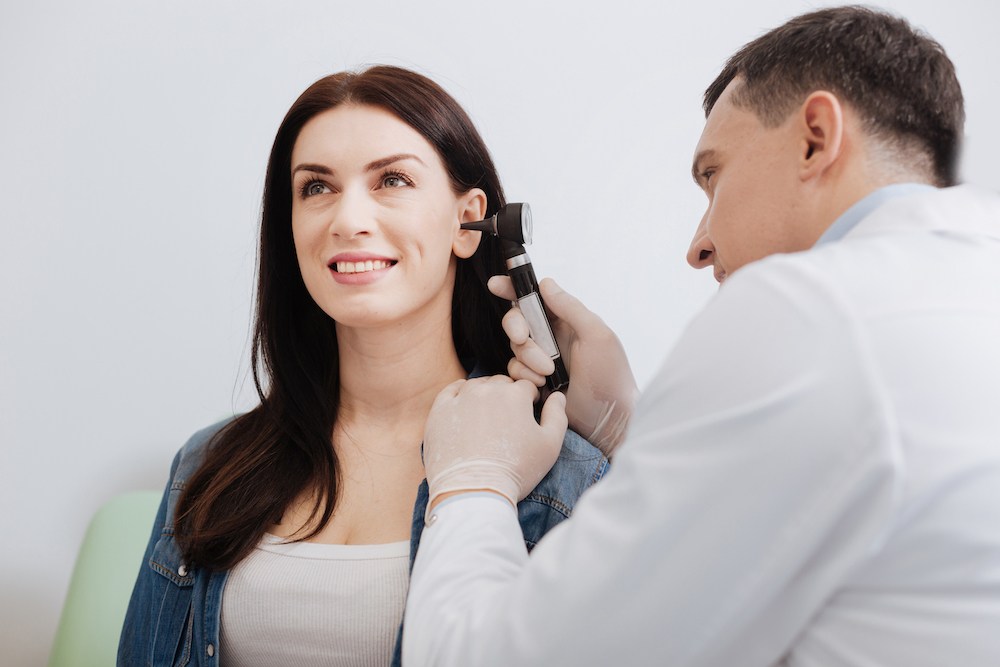
A hearing appointment starts with a discussion about your history and specific struggles, like hearing in crowds or on the phone. The audiologist then performs an otoscopy, using a lighted tool to check your ear canals for physical blockages like wax or eardrum issues. This ensures that the problem isn’t just a simple physical obstruction before moving into the technical diagnostics.
The core of the exam involves pure-tone audiometry and speech testing in a quiet booth. During pure-tone testing, you wear headphones and signal every time you hear a beep at different pitches to determine your hearing range. Speech audiometry then measures how well you can distinguish specific words at different volumes, which helps determine if the issue is just about loudness or if the clarity of the sound is being lost.
Finally, your audiologist may use tympanometry to measure how your eardrum moves in response to air pressure, identifying issues in the middle ear. Once these tests are finished, they review the results on a chart called an audiogram. This visual summary shows exactly which frequencies you are missing and allows the audiologist to explain your results and discuss the next steps for treatment.
Planning for long-term hearing care after 40 helps you manage changes before they become bigger problems. This plan often includes regular hearing tests, protecting your ears from loud noises and keeping track of any changes you notice.
Following a care plan lowers the chances of missing important sounds at work or during family time. Long-term planning also helps you keep up with conversations and enjoy social activities as you age.
Staying proactive about your hearing health after 40 supports clear communication and daily comfort. Regular hearing tests help catch changes early so you can address any issues before they affect your work, family life or favorite activities. If you have noticed signs of hearing loss or want peace of mind, following screening guidelines is a practical way to stay on top of your ear health.
If you are interested in learning more about hearing tests or have questions about next steps, our team is here to help. Contact Great Lakes Bay Hearing in Bay City and Midland, MI at (989) 941-0627 for more information and personalized care. We are happy to talk to you about a baseline exam and help you better understand your auditory health.
Tags: audiogram, how-to guides, tympanometry
Most people don’t think about their hearing until they have to ask
By: admin | January 19, 2026
Hearing aid design directly affects whether people actually use them. If a
By: admin | November 18, 2025
Many people expect hearing aids to provide clear hearing in every
By: admin | September 24, 2025