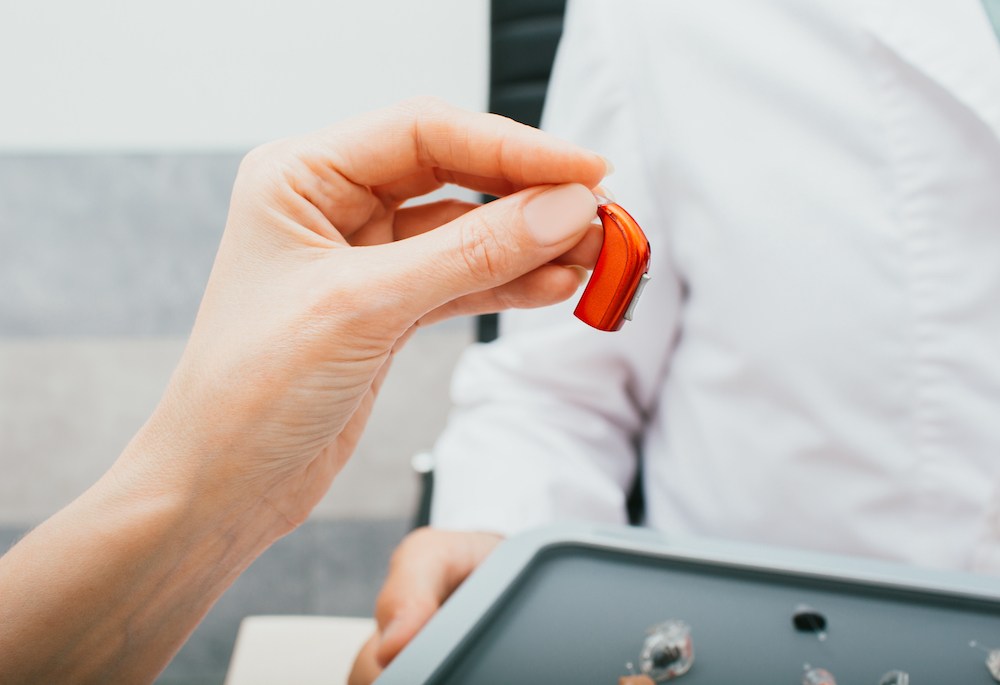
If you live in the Great Lakes Bay Region, you’re probably familiar with the layer of pollen that settles on cars, patio furniture and other outdoor surfaces. That same pollen doesn’t stay outdoors.
It travels on clothing, hair and skin, which means it can end up on hearing aids as well. While a little pollen may not seem like much, fine particles can collect around microphones, receivers and other small openings.

When pollen counts are high, that buildup can happen faster than you might expect. A regular cleaning routine may need a little more attention during those periods.

Dust, pollen and other airborne particles can settle into areas that aren’t always obvious. Knowing where that buildup tends to collect can help you keep your devices working as intended throughout the year.

How Pollen Season Impacts the Performance of Hearing Aids

Pollen season can affect devices in more than one way. Fine particles can settle around microphone ports, wax guards and other openings.

As that buildup grows, sound may not move through those areas as easily.

The change is often gradual. You may not notice it from one day to the next. Over time, though, the buildup can start to affect performance.

Pollen season can also affect the ears. Allergy symptoms may change how they fit and feel during the day. Ear canals can become more sensitive.

Pressure and congestion can also change the listening experience. When both the device and the ears are affected at the same time, it can be harder to tell what is causing a change in sound quality.

How Allergies Can Affect Hearing Aid Comfort

Allergies don’t just affect your nose and eyes. They impacts your ears as well. During periods of heavy pollen exposure, the ear canal can become itchier or more irritated than usual.

When that happens, hearing aids that normally fade into the background can become harder to ignore. You may find yourself adjusting them more often or becoming more aware of how they sit in your ears throughout the day.

Pressure and congestion can play a role too. If your ears feel full, the fit may seem different even when nothing has changed about them.

A dome or earmold that usually feels natural may feel more noticeable while allergy symptoms are active. That’s one reason comfort can vary from one day to the next during allergy season, even when you’re wearing your hearing aids in the same way.

Which Types of Hearing Aids Face Higher Risks During Pollen Season

Styles with more exposed openings may collect pollen faster during heavy pollen periods.

Behind-the-ear and receiver-in-canal models have parts that sit outside the ear, where particles can settle on microphones, receiver wires and tubing. In-the-ear styles can also collect pollen, especially around microphone ports and faceplates.

Fit and daily wear also matter. A model worn during yard work, walks, outdoor events or long periods outside may collect more buildup than one worn mostly indoors.

Small parts like wax guards, domes, vents and microphone covers can trap fine particles. When those areas get blocked, sound may seem softer or less clear.

That’s why pollen season can affect different styles in different ways.

Signs That Pollen Is Interfering with Your Hearing Aids

Pollen buildup isn’t always visible, but it can sometimes affect how devices perform.

If pollen is collecting on or around important components, you may notice changes like:

    • A fine, powdery yellow film coating the outer acrylic shell.
    • Visible debris clogging the microphone ports.
    • Unusual accumulation around custom vents, domes or earmold channels.
    • A persistent drop in high-frequency sound clarity after spending an afternoon outdoors.
    • Devices that look visibly dusty again just hours after being wiped down.

Picking the Best Time and Place to Clean Your Hearing Aids Safely

It’s also a safer place to work than a bathroom sink, where a dropped hearing aid or filter can be difficult to retrieve. Many people clean them after taking them out for the night.

By then, any pollen, dust or debris from the day is already on the device and ready to be removed. Having a regular spot for cleaning also means you’re less likely to misplace small tools or replacement parts when you need them.

Important Cleaning Tools for Managing High Pollen Levels

High pollen levels can mean spending a little more time on hearing aid maintenance. A few basic tools can help you inspect, clean and store your hearing aids throughout periods when pollen counts are elevated.

Important cleaning tools include:

    • A soft brush for removing pollen from microphone openings and exterior surfaces.
    • A wax pick or loop tool for clearing debris from small spaces.
    • Replacement wax guards when existing guards become clogged.
    • A microfiber cloth for wiping and handling.
    • A hearing aid dehumidifier for overnight storage.
    • A storage case that helps keep them protected when they’re not being worn.

Cleaning Microphone Ports Without Risking Damage to Components

That allows loose pollen and dust to fall out rather than move farther inside. Use a soft hearing aid brush to sweep across the ports with light strokes.

Avoid inserting the brush into the openings or poking at debris with pins, toothpicks or other household items.

If particles remain after brushing, follow the cleaning instructions provided for your specific model or contact your audiologist before attempting a different cleaning method.

Caring for Earmolds and Tubing During Pollen Conditions

Pollen can collect on earmolds and tubing during time spent outdoors. A quick inspection at the end of the day can reveal debris that isn’t always obvious while you’re wearing them.

Pay close attention to openings, edges and other areas where particles tend to gather. If your earmolds are removable, clean them according to the instructions provided by your audiologist.

Allow them to dry completely before reconnecting them. Tubing should also be checked from one end to the other. Because it’s often clear, buildup is usually easy to spot.

Pollen, moisture and debris can all become visible inside the tube. Regular checks can help you catch those issues before they begin affecting sound quality.

Safe Methods to Dry Out Hearing Aids After Contact with Moisture

Moisture can build up on your devices after a humid day, time spent outdoors or even a long walk. When that happens, wipe them down with a soft cloth and place them in a hearing aid dehumidifier or drying container.

If your hearing aids have battery doors, leave them open while they dry. Giving them time to air out overnight is often enough for any remaining moisture to dissipate.

Before putting them back on, take a quick look to make sure the exterior and any visible openings are completely dry.

How Frequently Should You Clean Devices When Pollen Is High

There isn’t a set number of times hearing aids should be cleaned when pollen is high. The frequency often depends on how much time you spend outside.

A person who works in the yard every day is likely dealing with different conditions than someone who spends most of the day indoors.

Some people stick with their usual cleaning routine and see no reason to change it. Others notice pollen collecting on their hearing aids every evening and choose to clean them more often.

Looking at them at the end of the day can tell you more than a schedule on a calendar. If you’re seeing pollen and debris regularly, that’s a sign they may need attention more frequently while pollen levels remain elevated.

Preventive Habits That Help Keep Your Hearing Aids Reliable All Season

Pollen season brings more than just pollen. Time outdoors, humidity, yard work and changing weather conditions can all affect hearing aids over the course of several months.

A few habits that can help include:

    • Removing hearing aids before applying hairspray, sunscreen or other personal care products.
    • Keep a storage case with you.
    • Changing out worn wax guards before they become blocked.
    • Packing supplies before outdoor events or travel.
    • Replacetubing when it becomes stiff, cloudy or discolored.
    • Storing overnight in a drying container when moisture is a concern.
    • Scheduling routine checkups with your audiologist.
    • Reviewing manufacturer care instructions for your specific model.

Keeping Your Devices Clean and Comfortable During Pollen Season

That routine can look different from one person to the next. It often depends on lifestyle, hearing aid style and how much time is spent outdoors.

At Great Lakes Bay Hearing, our audiologists help you with everything from routine maintenance questions to more in-depth hearing aid care.

If you’d like assistance with your hearing aids or have questions about their upkeep, call our Bay City or Midland, MI office at (989) 941-0627.